




The Historical Heritage area is dedicated to safeguarding, promoting and disseminating the historical heritage of water, placing it at the service of the community in terms of museology, culture and education. This heritage, managed by AEdP, is an essential testimony to the history of Porto and a structuring element of the city's collective identity, contributing to reflection on more sustainable and conscious models of urban development.
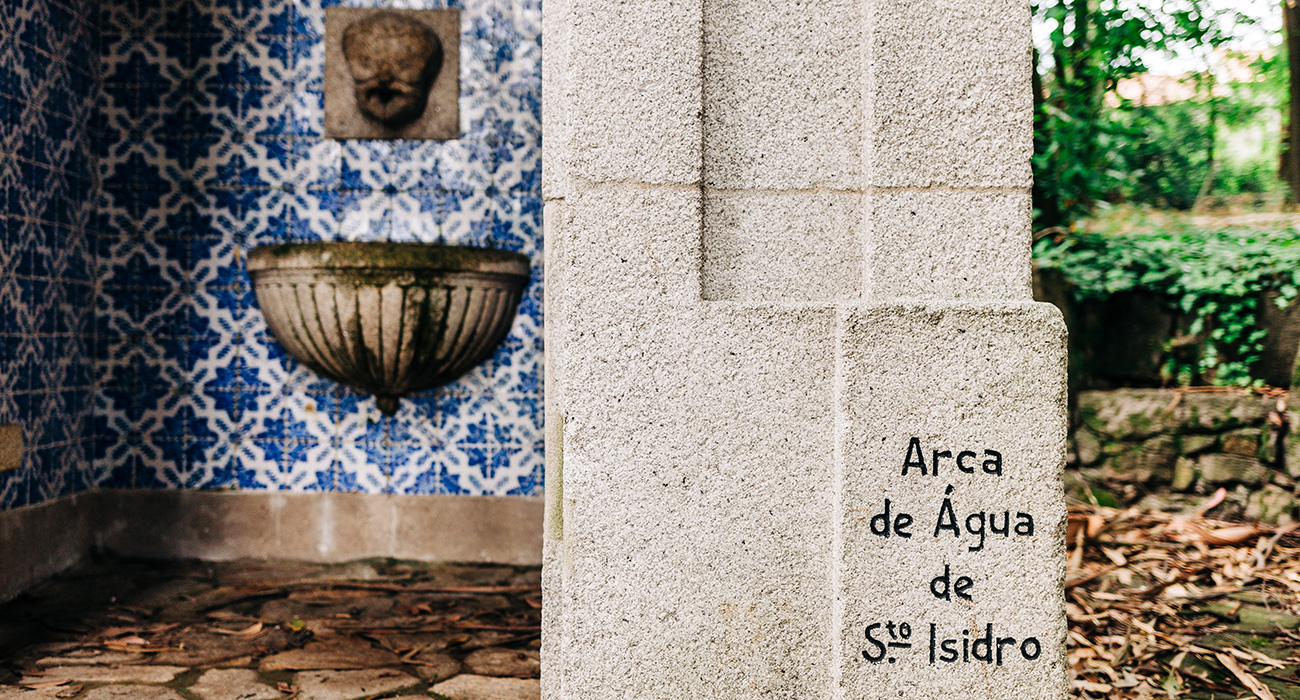
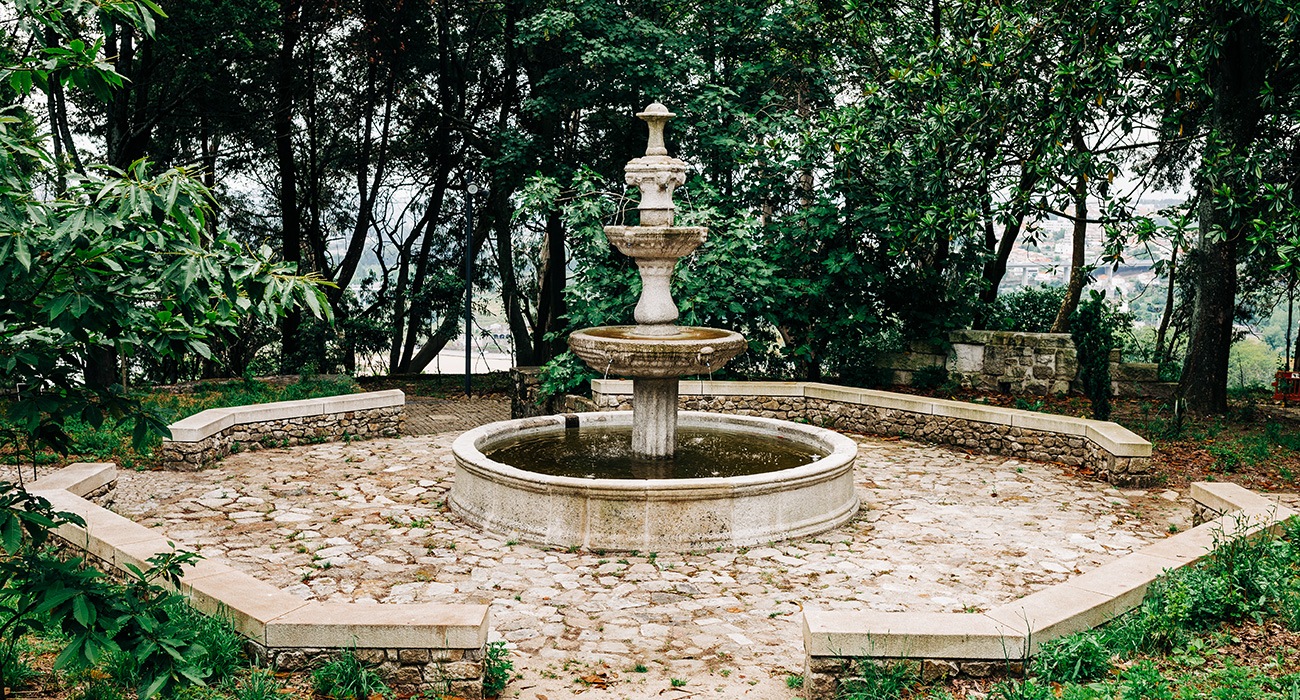
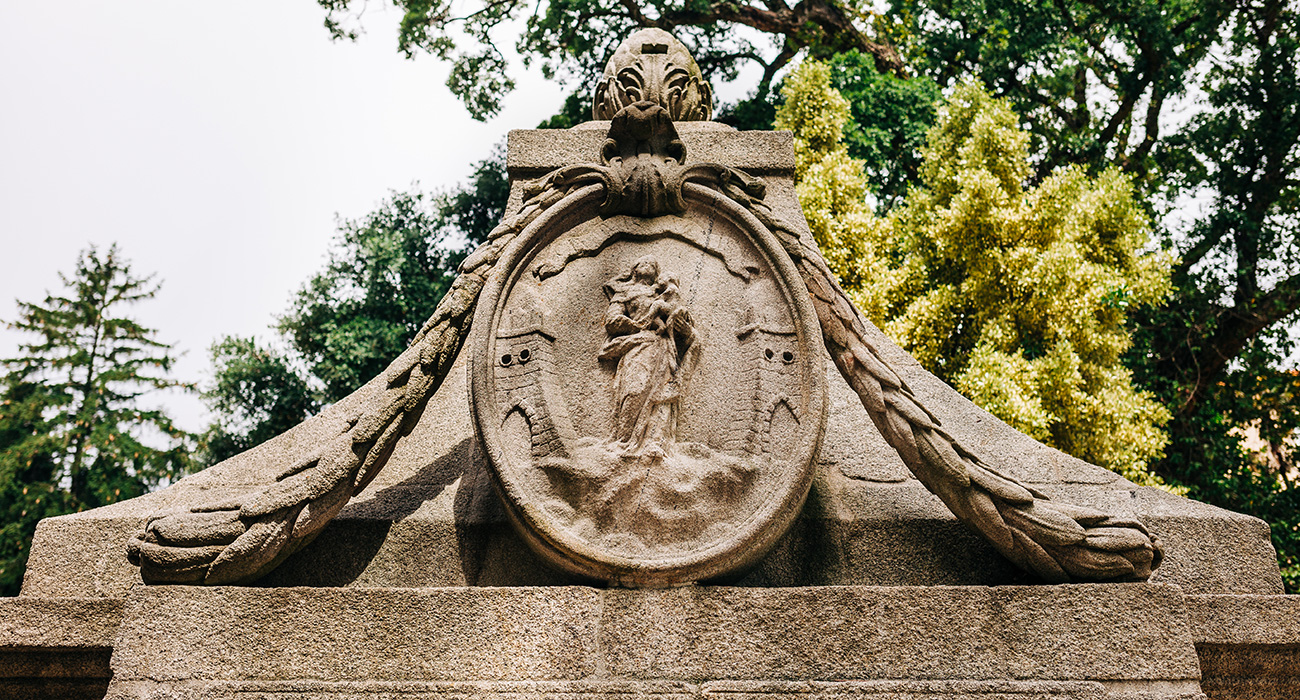
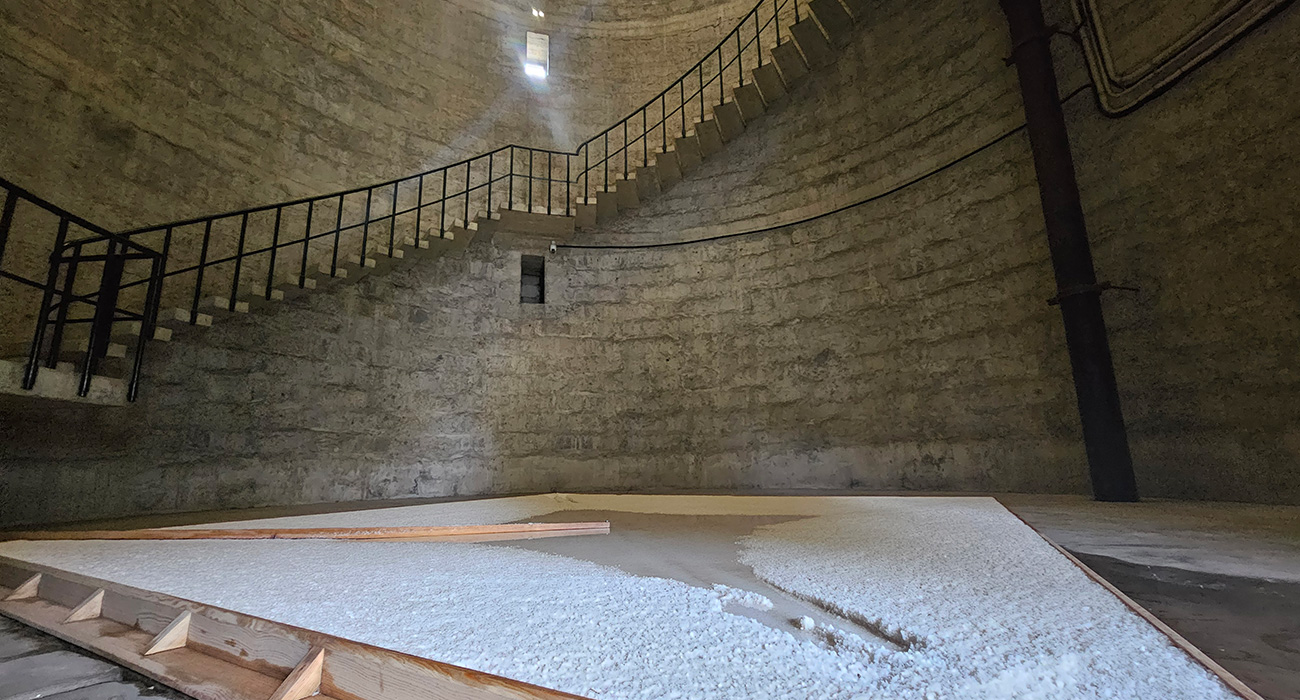
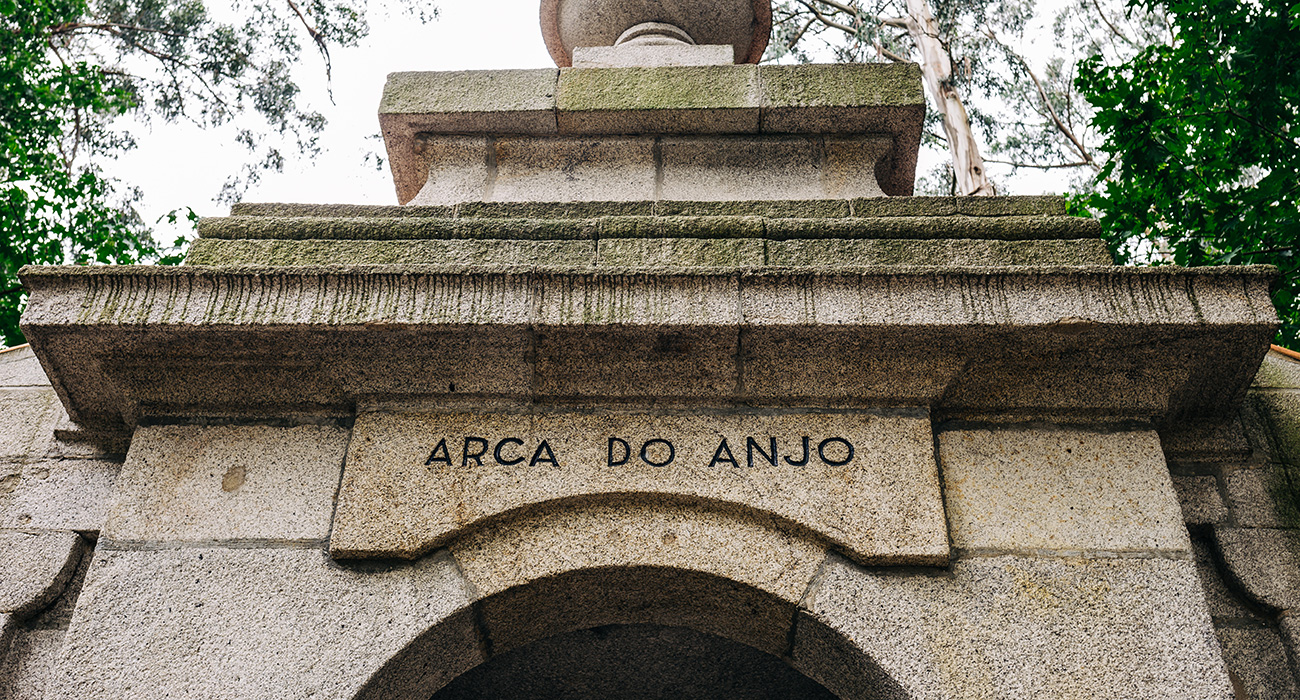
The Parque Patrimonial das Águas embodies the concept of an open museum of Porto's water heritage, integrating spaces, memories and knowledge into the urban territory. This heritage brings together a diverse and unique collection, which includes the so-called water architectures — fountains, arches, mines, wash houses and reservoirs, etc. —, documents and records from the AEdP Historical Archive and a collection of historical objects preserved by SMAS. Together, these elements provide an understanding of the evolution of water supply systems and their social, technical and urban impact over time. Its central core is the Parque das Águas, where, in the 1930s, the pioneering vision of creating a museum dedicated to water in Porto was born.
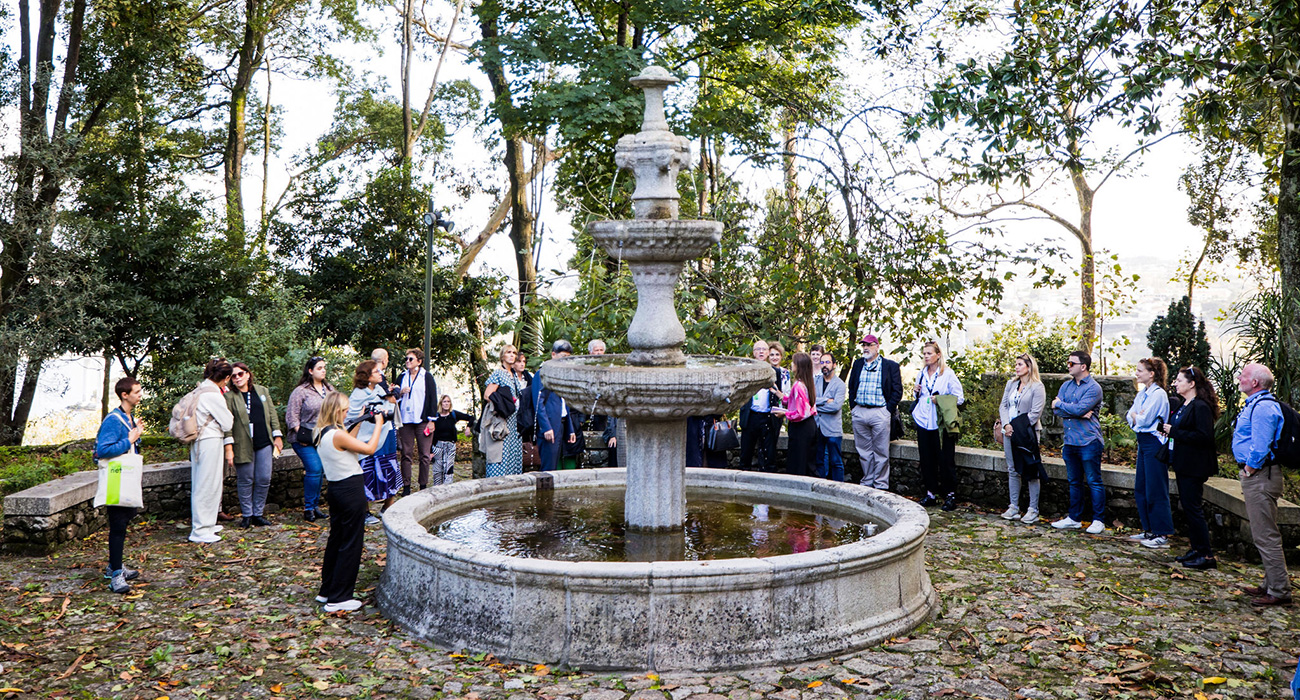

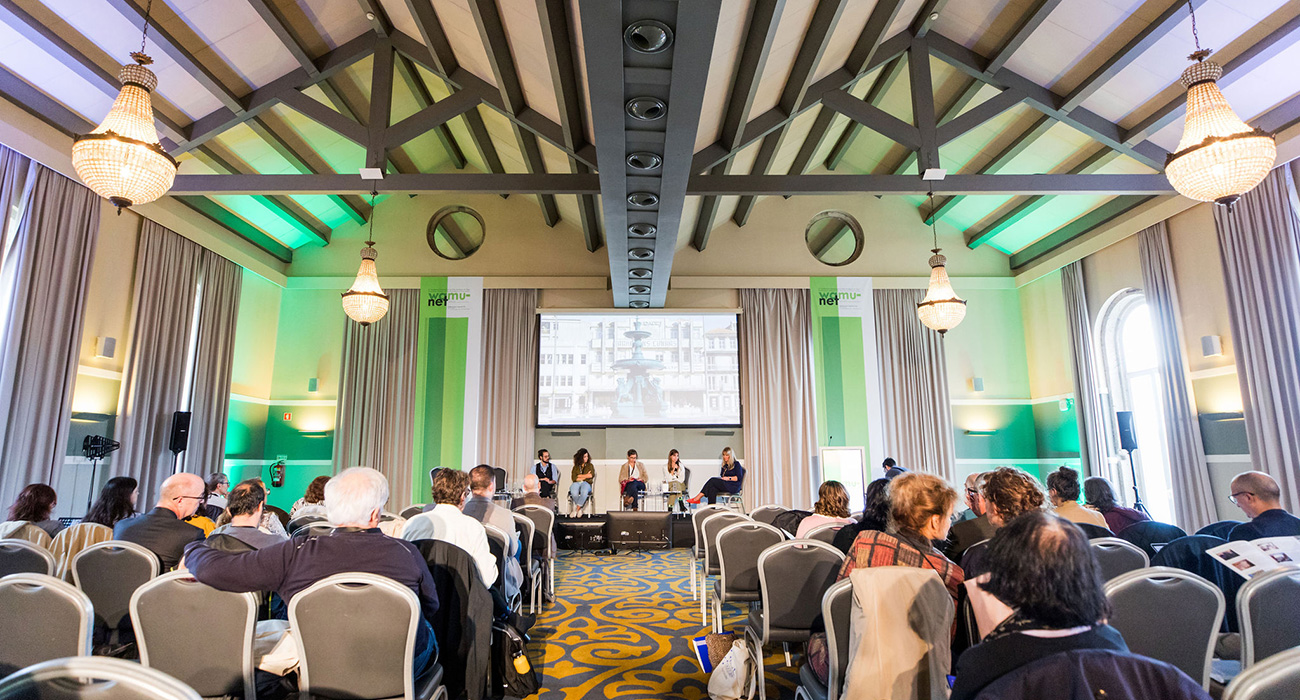
The educational and cultural dimension is achieved through cultural mediation programmes, guided tours and interpretive trails, which promote a critical reading of heritage and reinforce its historical, social and artistic value among diverse audiences. In addition, the Porto Water City platform serves as an educational and digital repository, providing accessible and interactive content — such as thematic itineraries, dynamic maps and historical information — that enhances the experience of the Water Heritage Park and brings it to international audiences, strengthening the relationship between heritage, knowledge and citizenship.
This area thus asserts itself as an active agent in the cultural development of Porto, promoting the enhancement of heritage as a strategic resource for education, social cohesion and the construction of a more informed, participatory and sustainable city.